Landscape Maintenance Solutions for Uneven Growth and Bare Spots


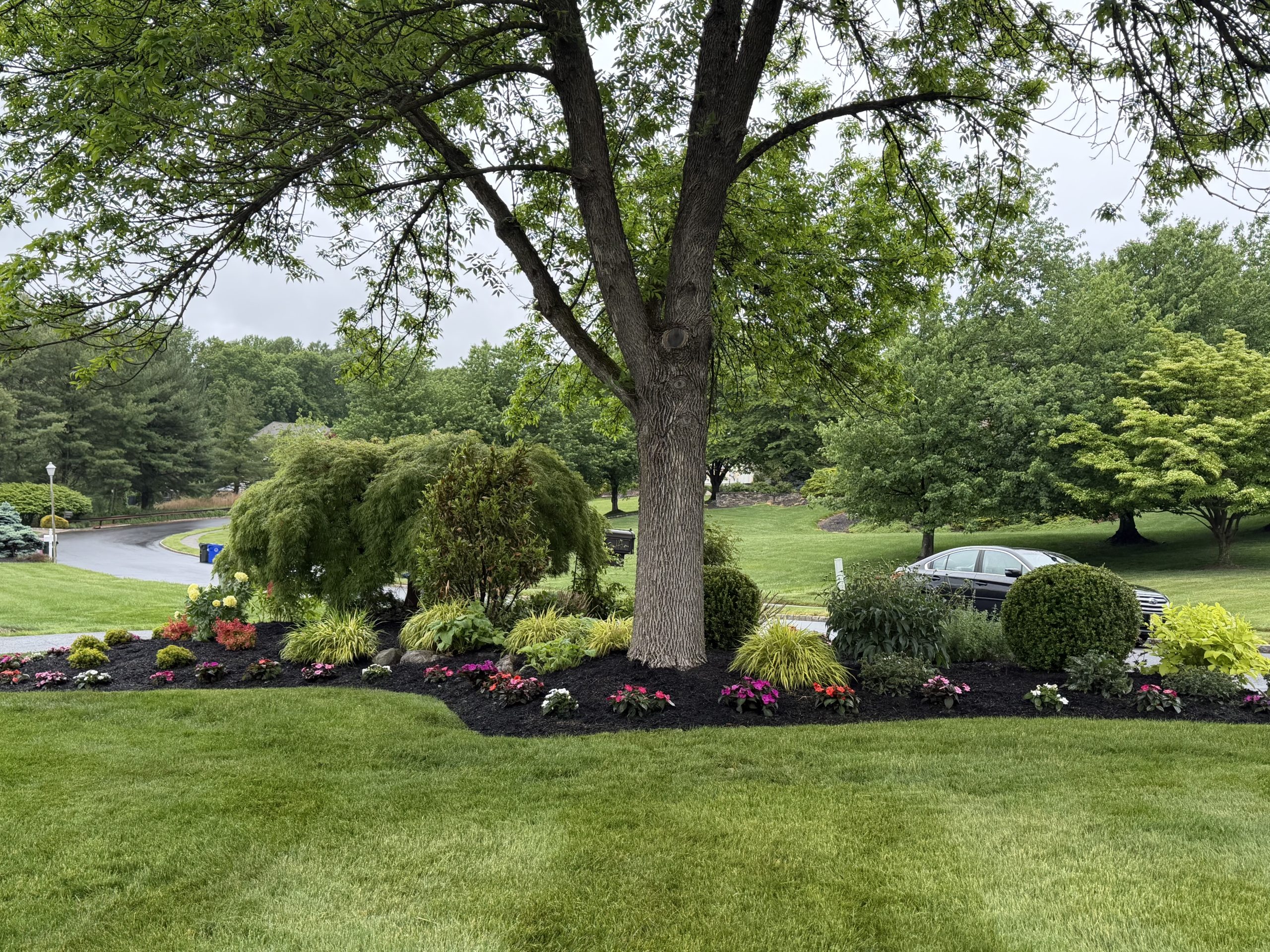
Uneven growth and bare spots rarely come from a single problem. In most landscapes, they are symptoms. A thin stretch of turf under a maple, a patchy bed edge along a hot driveway, or a lawn that grows thick near the sprinkler head and weakens ten feet away usually points to deeper issues with soil, water, light, traffic, or maintenance timing. Good Landscape Maintenance is less about reacting to the visible problem and more about reading the site correctly.
That distinction matters. I have seen property owners spend heavily on seed, fertilizer, and new sod, only to watch the same areas fail again within one season. The issue was never the seed. It was the compacted subgrade left after construction, the irrigation head throwing short, or the mower scalping the high side of a slight slope every week. Once those root causes were corrected, the turf stabilized and the repeated repairs stopped.
A healthy landscape does not need perfection to look strong. It needs consistency. The goal is not to make every square foot grow at the exact same speed. Different exposures, plant types, and soil conditions will always create some variation. The goal is to reduce stress, close weak areas, and keep the site dense enough that weeds and erosion do not take over.
Start with the pattern, not the patch
When you walk a property with uneven growth, resist the urge to focus only on the bare area. Step back and look for the pattern around it. Does the damage follow shade lines from trees or buildings? Does it sit along a footpath where people cut the corner? Is the weak growth concentrated on a crown where runoff sheds too quickly? Is the decline random, or does it mirror irrigation coverage?
Patterns save time. A circular dry zone often suggests irrigation distribution problems. Thin turf in strips can point to worn mower blades, tire traffic, or overlapping herbicide drift. Spots that hold water after rain suggest compaction or poor grading. A broad, pale lawn that refuses to thicken may be telling you the soil profile was never improved after construction.
In practice, most chronic bare spots fall into one of a few categories, though some sites have more than one at the same time:
- insufficient light
- inconsistent moisture
- compacted or poor soil
- heavy traffic
- mowing damage or poor cultural practices
That short checklist covers the majority of recurring failures in both residential and commercial landscapes. The challenge is figuring out which factor is primary and which are secondary.
Why bare spots return after repair
People often assume a repair failed because the product was wrong. Sometimes that is true. More often, the timing or site preparation was wrong. Spreading seed over hard, dry soil in late summer heat gives poor results no matter how good the mix is. Laying sod over compacted fill can look excellent for six weeks, then decline once the roots try to move downward and hit a dense layer.
I learned this early on in landscape renovation work. A client had a front lawn with three persistent bare areas near the sidewalk. They had been reseeded twice and sodded once. Every repair looked promising in spring, then collapsed by July. The real issue turned out to be a combination of reflected heat from the concrete, shallow topsoil over construction debris, and mower scalping on a subtle grade break. We removed debris, added quality topsoil, adjusted the grade slightly, raised mowing height, and switched the summer watering schedule from brief daily cycles to deeper, less frequent irrigation. The same area held for years after that.
Repairs work when the environment supports establishment. Without that support, even the best materials struggle.
Soil conditions often tell the real story
Soil is where most long-term solutions begin. Thin growth and bare spots frequently trace back to either compaction or poor structure. On newer properties, topsoil may be shallow or uneven. On older properties, repeated foot traffic, mowing on wet ground, and years of shallow irrigation can leave the upper layer tight and oxygen-poor.
You can learn a lot with a screwdriver, a shovel, and a little time. If a screwdriver pushes into one part of the lawn with ease but stops quickly in another, compaction is likely part of the problem. If the soil is powder dry an inch below the surface despite regular watering, infiltration may be poor. If it smells sour and stays wet long after rain, drainage is suspect.
Compacted soil affects more than roots. It changes how water moves, how nutrients become available, and how heat builds at the surface. Turf under those conditions tends to remain shallow-rooted, which makes it vulnerable during hot spells. Ornamentals in beds show the same stress differently. You may see stunted growth, sparse foliage, or weak flowering rather than a true bare patch.
Correcting soil issues does not always require major reconstruction, but it does require intent. Core aeration can help on lawns where compaction is moderate. Topdressing with compost after aeration improves structure over time if it is done correctly and not smothered on too thick. In severe cases, especially where builders left stone, mortar, or heavy fill close to the surface, excavation and soil replacement may be the only durable answer.
Irrigation problems are common, and often hidden
Watering too little is an obvious problem. Watering unevenly is the more common one. A lawn can receive plenty of total water and still develop patchy growth because one zone overshoots the pavement while another head is partially blocked by taller turf or a shrub that grew into the spray path. Beds have similar issues. Drip lines may clog, emitters may separate, or one section of the line may sit on higher ground and deliver less effectively.
A simple catch-can test can reveal surprising differences in coverage. Even without formal testing, you can inspect sprinkler performance at sunrise and look for weak arcs, misting, runoff, or dry wedges. Water should enter the soil, not skim across it. If the surface seals over and sheds water, shorter cycle-and-soak scheduling can help. That means watering in multiple shorter intervals with time between them, so moisture infiltrates instead of pooling or running off.
Irrigation timing matters as much as coverage. Frequent shallow watering encourages shallow roots and can worsen summer decline. Deep, less frequent irrigation generally builds more resilient turf, though newly seeded or sodded areas need a different establishment schedule. Fresh seed requires consistent surface moisture until germination and early rooting. New sod needs enough water to knit into the soil beneath it, then a gradual transition away from constant watering.
There is no one schedule that fits every site. Sandy soil dries faster than loam. South-facing slopes stress sooner than shaded flats. Tree roots compete aggressively in some lawns and bed edges, especially in dry weather. Effective Landscape Maintenance accounts for those site-specific differences rather than relying on a fixed timer program all season.
Shade changes everything
Many bare spots are simply areas where the chosen plant material no longer matches the light. This is especially true around maturing trees. What worked ten years ago under a young canopy may fail now that the tree casts dense afternoon shade and intercepts rainfall before it reaches the ground.
Trying to force full-sun turf into deep shade is a losing battle. Even shade-tolerant grass mixes have limits. Under heavy shade, root competition from trees combines with lower light and reduced air movement. The result is thin turf that never quite recovers, no matter how carefully it is fertilized.
The smarter move is often to adapt the planting plan. In some locations, selective canopy thinning can improve filtered light and air circulation enough to support turf again. In others, it is better to convert the area to mulch, a groundcover, or a shade planting bed. That is not surrender. It is good design. A healthy planting bed under a mature oak looks intentional and performs better than a struggling ring of grass constantly being patched.
The same principle applies to ornamental beds with uneven growth. If one corner receives six hours of reflected heat and another remains cool and shaded, identical plant selections will not mature evenly. Rather than fighting the site, divide the bed by exposure and plant accordingly.
Traffic, wear, and repeated disturbance
Some bare areas are not horticultural failures at all. They are traffic problems. Dogs pace along fence lines. Children use the same shortcut to the patio. Maintenance crews repeatedly pivot mowers in the same spot. Delivery routes wear a narrow strip beside the driveway. Once the crown of the plant is bruised often enough, recovery slows, and compacted soil makes it worse.
When traffic is the driver, repair alone rarely lasts. The site needs either redirection or reinforcement. Sometimes a simple path of stepping stones or a widened walk solves the issue. On commercial sites, moving a gate or adjusting access can dramatically reduce wear. In lawn areas that must handle regular use, turf type and mowing height may need adjustment so the grass can recover faster.
I once worked on a multifamily property where a bare strip kept opening between parking spaces and a building entrance. Managers blamed irrigation and asked for repeated reseeding. The actual issue was human behavior. Residents naturally took the shortest route to the entrance. We installed a small paved connector, regraded the remaining edge, and the problem vanished. Good Landscape Maintenance sometimes means accepting how people use space instead of asking plants to resist it.
Mowing practices can create or worsen uneven growth
Mowing damage is underestimated because it happens slowly. Cut turf too short, and the shallow crown is exposed to heat and drought. Mow a bumpy lawn too low, and the high points scalp while the low points stay lush. Dull blades fray leaf tissue, giving the lawn a gray or brown cast and increasing moisture stress.
Height makes a measurable difference. Most cool-season lawns perform better when kept on the taller end of their recommended range, especially in summer. The extra leaf area supports photosynthesis, shades the soil, and encourages deeper rooting. For warm-season grasses, the ideal height depends on species and use, but consistency still matters. Wild swings between overgrowth and severe cutback stress the plant.
If you see bare ridges or thin strips after mowing, check deck leveling and wheel ruts. A mower that rides unevenly can repeatedly scalp the same contour. This is especially common on compacted slopes or around tree roots. In some landscapes, correcting the grade or topdressing a slight depression does more for visual uniformity than any fertilizer application.
Matching the repair method to the severity
Not every bare spot needs the same response. Small, recent thinning can often be corrected with cultural adjustments and overseeding. Larger dead areas with underlying grade or drainage problems need more substantial work. The mistake is choosing the most visible fix instead of the most appropriate one.
Overseeding works best where some viable turf remains and the soil can be loosened enough for seed-to-soil contact. It is cost-effective, but it requires careful watering and patience. Sod provides immediate cover and erosion control, which is useful on slopes or high-visibility sites, but it costs more and can fail quickly if the base soil issue remains untouched. Plugging or sprigging suits certain warm-season grasses and can be a practical middle ground, though fill-in takes time.
For ornamental beds, bare spots sometimes need replanting with a better-suited species rather than replacing the same failed plant. If three shrubs in a wet corner have died in two years, the answer is probably not a fourth shrub of the same type. It may be a drainage correction, a mound planting approach, or a different species altogether.
Fertility should support recovery, not force growth
Fertilizer is useful, but it is often overused in patchy landscapes. Nitrogen can green up a lawn and mask stress temporarily, yet it cannot compensate for lack of light, poor drainage, or compacted soil. In fact, pushing top growth https://maps.app.goo.gl/yt4eVTaFJanxjen28 in a stressed site can make the problem more obvious once heat or disease pressure arrives.
A soil test is worth the effort when problems are broad or recurring. It can reveal pH issues, phosphorus and potassium levels, and whether the site is truly deficient or simply underperforming because roots cannot function well. On many properties, moderate feeding paired with improved cultural practices outperforms aggressive fertilization.
Organic matter also deserves attention. Compost incorporated during renovation or lightly topdressed over aerated turf can improve moisture retention and microbial activity. The effect is gradual, which is exactly why it tends to hold up. Durable landscapes usually improve through steady, compounding practices rather than dramatic one-time treatments.
Seasonal timing makes or breaks repairs
The best repair plan can fail if it is done in the wrong window. Cool-season turf generally establishes best in early fall, when soil temperatures remain warm enough for germination but air temperatures become less punishing. Spring can work, though weed competition and summer stress often make survival less reliable. Warm-season turf has its own rhythm and usually responds better once active growth begins in late spring to early summer.
Beds follow seasonal logic too. Planting heat-sensitive material into a reflected south-facing foundation bed in midsummer invites setbacks. Reworking those areas in the cooler shoulder seasons usually produces better rooting and less transplant shock.
For ongoing Landscape Maintenance, seasonal priorities tend to shift like this:
- spring, repair winter damage, correct drainage issues, and restore irrigation performance
- early summer, monitor traffic stress, mowing height, and dry zones before they widen
- late summer to fall, renovate cool-season turf, overseed, aerate, and rebuild thin areas
- winter planning, review recurring failures and redesign sites that are mismatched to light or use
That rhythm is more effective than treating every month as if it requires the same tools.
Beds, borders, and non-turf areas need their own strategy
Uneven growth is not limited to lawns. Shrub beds often show bare pockets where mulch was piled too deeply, drip coverage is uneven, or plants are competing with roots from nearby trees. Groundcovers can thin where runoff cuts channels through the bed, exposing roots or washing away fine soil.
Mulch deserves a careful mention here. Applied correctly, it helps conserve moisture, buffer temperature swings, and suppress weeds. Applied too heavily, it can keep the crown of certain plants too wet, repel water once it crusts, or prevent oxygen movement into the root zone. I still see beds where repeated annual top-ups create a thick mulch layer over compacted soil. Plants look fine at the surface for a while, then growth declines because the root environment underneath is unstable.
Edging also affects performance more than people realize. Bed edges along pavement dry faster and heat up more. If the plant palette does not account for that extra stress, the front line thins first. Sometimes the answer is as simple as choosing tougher edge plants or increasing drip density along the perimeter.
When redesign is smarter than repeated repair
One of the most practical decisions in landscape work is knowing when to stop patching and start redesigning. If an area fails every year, the site is telling you something. A shady swale that turns to mud in winter and bakes in summer may never support a conventional lawn well. A narrow strip between a sidewalk and a wall may always struggle with reflected heat and poor root space.
Redesign can mean changing materials, changing grading, or changing expectations. Replacing turf with a bed, widening a path, adding drainage, or modifying irrigation zoning often reduces maintenance costs in the long run. Clients sometimes hesitate because redesign sounds expensive, but endless spot repair adds up quickly. Labor, seed, sod, water, and callbacks cost real money, especially on large properties.
The most successful landscapes are not the ones that receive the most intervention. They are the ones where plant selection, site conditions, and use patterns are aligned. When that alignment is missing, maintenance becomes a constant act of compensation.
A practical standard for evaluating success
After repairs, do not judge success too early. A patch that greens up in two weeks is not necessarily solved. The real test is whether it remains dense through stress periods. I usually look for performance across at least one full challenging season, often summer for lawns and peak heat for foundation beds. If the area holds color, density, and soil cover during that window, the underlying fix was probably sound.
Visual uniformity is one measure, but not the only one. Rooting depth, reduced runoff, less weed pressure, and lower water demand also signal improvement. In commercial settings, fewer trip hazards and cleaner edges matter just as much. In residential landscapes, homeowners usually notice that they stop worrying about the same problem spot every weekend. That is a meaningful outcome.
Bare spots and uneven growth can be frustrating because they look simple from a distance. Up close, they are diagnostic puzzles. The good news is that most of them become manageable once the cause is identified honestly. Better soil preparation, corrected irrigation, adjusted mowing, traffic management, and smarter plant choices usually outperform repeated cosmetic fixes.
Strong Landscape Maintenance is not about throwing products at a weak area until something sticks. It is about reading the site, correcting the limiting factor, and giving the landscape conditions where healthy growth is the natural result. When that happens, bare spots stop being recurring emergencies and become what they should have been all along, a solvable maintenance issue with a durable fix.
Majestic Mowing & Landscaping LLC
Phone number: +19733975532
FAQ About Landscape Maintenance
What is landscape maintenance?
Landscape maintenance is the ongoing care, cleaning, and upkeep of outdoor green spaces to keep them healthy, safe, and attractive.
Is $100 an hour too much for landscape work?
An hourly rate of $100 is not too much for specialized or professional landscape work, though it sits at the higher end of the standard pricing spectrum.
How much do landscapers charge for maintenance?
For professional landscaping maintenance, homeowners typically pay $100 to $410 per month for recurring services, or an hourly labor rate of $50 to $100 per hour per crew member.